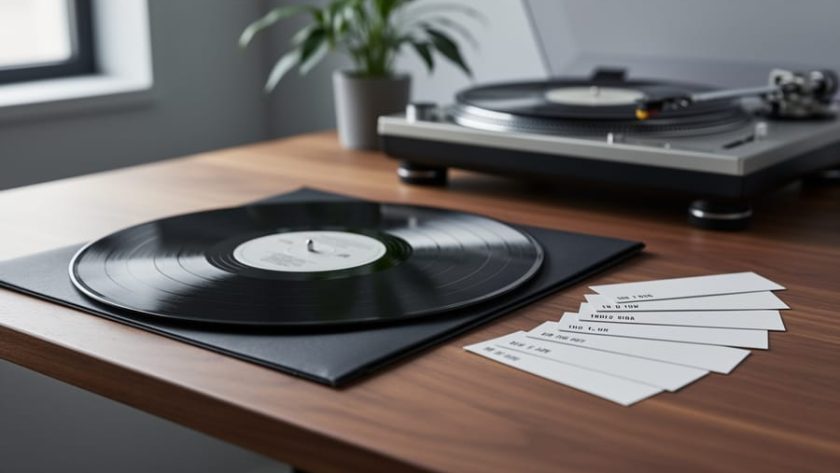
Yes, eight songs can absolutely qualify as an album, though the answer depends on who you ask and when. The industry standard, set by organizations like the Recording Industry Association of America, generally defines an album as having at least six tracks or running 30 minutes or longer. By that measure, an 8-song release comfortably clears the bar. But the real conversation isn’t about checking boxes on a technicality. It’s about how musicians, especially independent artists, are rethinking what an album means in 2026.
The traditional album format, born from the physical constraints of vinyl records, has always been more fluid than purists like to admit. Classic records from the ’60s and ’70s often featured eight or nine tracks per side, while punk bands routinely released 12-song albums that clocked in under 25 minutes. Today’s streaming landscape has amplified this experimentation. Artists drop focused 8-track projects that feel complete and intentional, refusing to pad their work with filler just to hit an arbitrary song count.
For independent musicians operating outside major label expectations, the 8-song album has become a sweet spot. It’s enough material to tell a cohesive story without draining recording budgets or listener attention spans. Genre plays a role too. Electronic producers and ambient artists might stretch eight songs across 50 minutes, while a hardcore band could burn through the same number in half that time. What matters most is whether those eight songs deliver a unified artistic statement or just feel like a random collection of tracks.
What Actually Defines an Album?
The music industry has never quite agreed on a single, universal definition of what makes an album. Traditionally, the distinction came down to physical format and runtime: an LP (long-playing record) held around 40 to 60 minutes of music, while an EP (extended play) offered a shorter listening experience than a full album but more than a single. Those vinyl-era boundaries felt clear-cut, but they were always more about manufacturing constraints than artistic intent.
Fast-forward to 2026, and the lines have become wonderfully messy. Streaming platforms, record labels, and awards bodies each apply their own criteria, sometimes contradicting one another. The Grammy Awards, for instance, require a minimum of five tracks for an album submission, while the RIAA streaming certification criteria focus primarily on total streams rather than track count or runtime. Some labels still use the 30-minute runtime threshold as a rough guideline, inherited from the days when vinyl capacity dictated structure.
- Album
- Traditionally a full-length release of 30+ minutes or 10+ tracks; now often defined more loosely as an artist’s primary creative statement regardless of length.
- EP (Extended Play)
- Originally a format between a single and an album, typically 4-6 tracks or 15-30 minutes; today used flexibly by independent artists for shorter, focused releases.
- LP (Long Play)
- A vinyl term for a 33⅓ rpm record holding roughly 40-60 minutes of music; now used interchangeably with “album” even in the digital age.
- Mixtape
- Once an informal compilation of tracks (often featuring samples or freestyles); now a marketing term for releases positioned as less formal than an album, though the musical content may be indistinguishable.
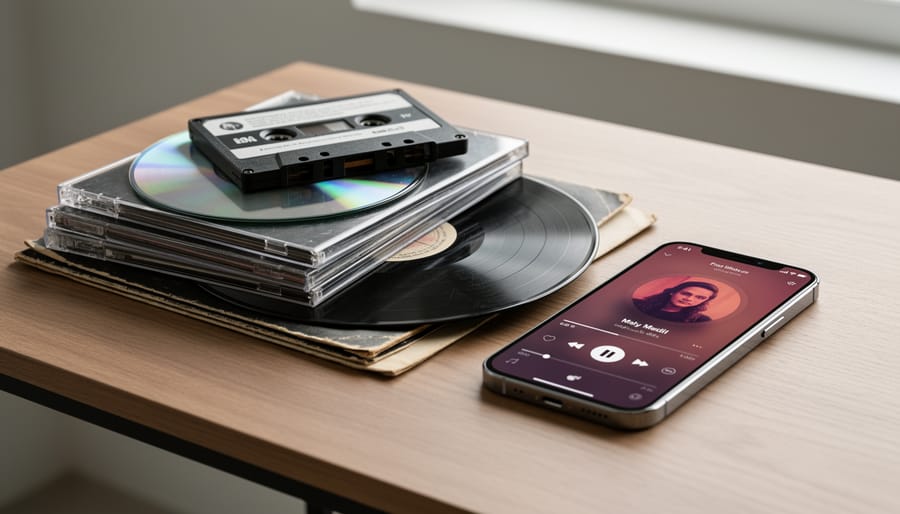
The digital shift obliterated those old physical constraints. An artist can now release eight meticulously crafted tracks that run 45 minutes and call it an album, or drop twelve two-minute songs totaling 24 minutes and do the same. Spotify and Apple Music don’t enforce format definitions; they simply categorize whatever the artist uploads. This flexibility has been a gift to underground and independent musicians who no longer need to pad releases with filler to meet an arbitrary track quota.
The Case for 8 Songs as a Full Album
Runtime Matters More Than Track Count
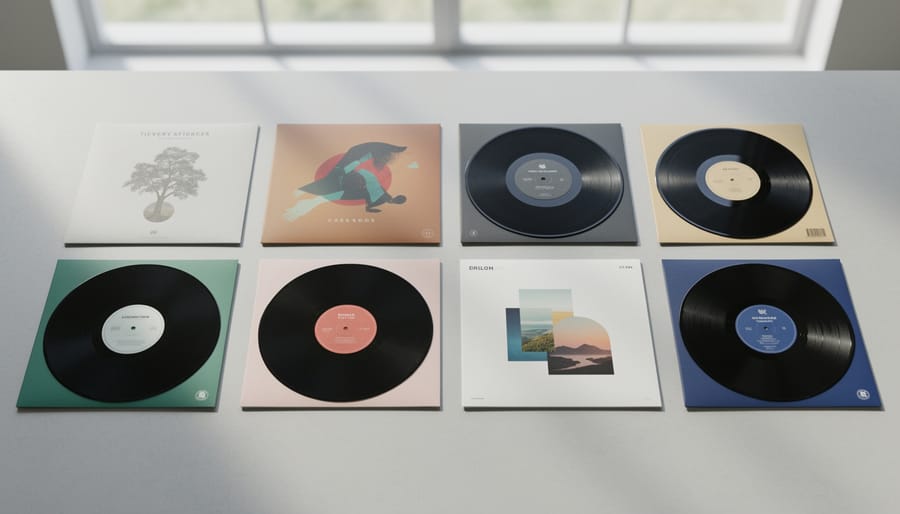
An eight-song album clocking in at 45 minutes delivers the same listening experience as a twelve-track release with shorter songs. The raw numbers matter less than what you’re actually getting in your ears. When Godspeed You! Black Emperor drops an album with six sprawling compositions, nobody questions whether it’s “really” an album, because those tracks stretch past the ten-minute mark.
This matters especially in genres where extended arrangements are the norm. Progressive rock, post-rock, ambient, and experimental electronic music routinely feature lengthy pieces that demand patience and attention. A shoegaze band might craft five seven-minute epics that immerse you deeper than a dozen two-minute blasts ever could.
Runtime also reveals artistic intent. An artist who commits to eight substantial tracks is making a statement about focus and depth rather than quantity. They’re asking you to sit with each song, to let ideas develop and breathe. Compare that to padding a release with interlude tracks or half-baked ideas just to hit an arbitrary song count. The clock doesn’t lie, thirty-five minutes of music is thirty-five minutes regardless of how it’s divided up.
The Indie Advantage: Brevity and Impact
Underground and independent artists operate in a different reality than major label acts. Without the pressure to fill radio playlists or justify massive marketing budgets, indie musicians can release exactly what serves their artistic vision, nothing more, nothing less.
Eight songs forces brutal honesty. When you’re recording on a tight budget and limited studio time, every track needs to justify its existence. There’s no room for the mediocre filler that often pads mainstream albums to meet label expectations. This constraint becomes a creative advantage: indie artists craft releases where each song pulls its weight.
Consider how obscure artists build careers through Bandcamp and SoundCloud. Fans discovering new music don’t want to wade through weak tracks. They want impact. An eight-song release that’s consistently strong beats a bloated fifteen-track album where only half the material resonates.
The indie approach also respects listener attention. In underground scenes, artists know their audience might be discovering five new acts in a single evening. A focused eight-song statement makes a clearer impression than a sprawling collection that loses momentum halfway through.
This mindset has influenced how critics evaluate emerging talent. When reviewing new artists at Underground Beats, we’ve noticed the most memorable discoveries often come from tight, purposeful releases that showcase distinctive voices without overstaying their welcome.
When 8 Songs Falls Short
Despite the artistic merits of concise releases, an 8-song album can genuinely disappoint listeners, particularly when expectations don’t match reality. If you’ve been eagerly anticipating a new release from a favorite artist for two years, an album that clocks in at 23 minutes might feel less like a complete statement and more like an appetizer.
The perceived value issue cuts deep for physical media collectors and fans who remember when albums meant a substantial listening experience. Dropping thirty dollars on vinyl that’s over in under half an hour can sting, especially when the price point matches releases with fifteen tracks. This economic calculation influences how many listeners unconsciously judge an album’s worth before they’ve even heard it.
When an album ends just as you’re settling into the artist’s world, it can feel like being shown out before the conversation really started.
This disappointment factor becomes particularly acute when the music itself demands more space to breathe. Concept albums, progressive rock odysseys, and narrative-driven hip-hop often need additional tracks to fully develop their themes. An 8-song concept album might rush through plot points or leave character development feeling thin, ultimately undermining the ambition that makes concept albums compelling in the first place.
Certain genres carry built-in expectations that shorter albums struggle to satisfy. Jazz listeners often expect extended improvisations across multiple tracks. Classical music fans anticipate complete symphonies or song cycles. Metal enthusiasts frequently want the full journey from atmospheric intros through crushing crescendos to reflective outros, a narrative arc that benefits from additional material.
For album reviews, this creates a challenging evaluation scenario. Critics must distinguish between an intentionally focused release and one that simply ran out of ideas. When an 8-song album feels incomplete, reviews reflect that emptiness, describing releases as “promising but underdeveloped” or “leaving listeners wanting more” in the unsatisfying sense rather than the anticipatory one.

How Streaming Changed Everything
Streaming platforms fundamentally rewired how artists think about album length. Before 2015, musicians aimed for 10-14 tracks because physical sales and radio play rewarded fuller releases. Now, Spotify’s payment model counts each stream equally, whether it’s from a 20-track album or an 8-song project, which removed the financial incentive to pad releases with filler.
The algorithm shift hit hardest around 2018. Playlists became the primary discovery tool, and editorial teams at Spotify and Apple Music started favoring artists who released consistently rather than infrequently. An underground artist dropping four 8-song albums across two years now reaches more listeners than someone releasing one exhaustive 16-track project. The math is brutal: more releases mean more chances at playlist placement, more algorithm triggers, and sustained presence in fans’ feeds.
Playlist culture also changed listening habits. Most streams come from curated playlists where songs exist independently of their albums. When a track from an 8-song album lands on a major playlist, the album format matters less than the individual song’s performance. This fragmented consumption model makes lengthy albums feel almost antiquated, if listeners cherry-pick three songs anyway, why record fifteen?
By 2026, the data is clear: albums under 40 minutes perform better algorithmically. Shorter projects maintain higher completion rates, which streaming platforms interpret as engagement signals. Artists who once stretched their vision across sprawling double albums now compress ideas into focused 8-track statements, drop them, then return six months later with fresh material. The format isn’t just accepted, it’s strategically advantageous for anyone serious about building a streaming audience.
Genre Makes the Difference
Genre norms shape what feels “complete” more than any industry standard ever could. An 8-song punk album? Absolutely standard. An 8-song ambient record? That might feel like an EP.
Punk and hardcore have thrived on brevity since the ’70s. Ramones’ debut clocked in at 14 songs in under 30 minutes, while many modern punk albums sit comfortably at 8-12 tracks. The genre’s ethos favors raw energy over sprawling statements, so 8 songs between 90 seconds and three minutes each lands right in the sweet spot. Nobody’s questioning whether that’s a “real” album.
Hip-hop operates differently. While trap and drill artists frequently drop 12-16 song projects (often to maximize streaming numbers), boom-bap and underground hip-hop releases commonly feature 8-10 tracks. When each song runs four to five minutes with multiple verses, 8 tracks provides plenty of room for storytelling and variety. The mixtape culture further complicates things, 8 songs might be labeled an EP by one artist and a full album by another.
| Genre | Typical Album Length | 8 Songs Considered |
|---|---|---|
| Punk/Hardcore | 10-14 songs | Standard, expected |
| Hip-Hop | 12-16 songs | Short but acceptable |
| Folk/Singer-Songwriter | 10-12 songs | Borderline, often EP |
| Electronic music/Ambient | 8-12 songs | Depends on runtime |
| Experimental/Noise | 6-10 songs | Perfectly normal |
Electronic music lives in the grey zone. A techno album with 8 six-minute tracks delivers nearly 50 minutes of music, which nobody would call short. Meanwhile, 8 two-minute beat sketches might feel incomplete. The genre’s focus on texture and progression means runtime matters far more than track count.
Folk and singer-songwriter releases traditionally lean toward 10-12 intimate tracks, making 8 songs feel a bit lean unless the songs themselves are longer or more musically complex. Experimental and noise artists face the fewest expectations, when your songs might be 30 seconds or 20 minutes, track count becomes meaningless. The underground thrives precisely where these conventions break down.
What This Means for Music Reviews and Discovery
When you’re evaluating an 8-song release, the usual album review framework needs adjusting. You can’t assess it the same way you’d approach a 15-track epic, because the artist made deliberate choices about focus and pacing that deserve recognition.
The first shift is moving from “does this cover enough ground?” to “does every track justify its presence?” With shorter releases, there’s nowhere to hide weak material. That fourth song that would be forgiven as filler on a longer album? Here, it sticks out. This actually makes 8-song projects easier to recommend or dismiss, because the quality is more consistent either way.
For listeners discovering new music, compact albums offer a lower barrier to entry. You can experience an artist’s full vision in 25 minutes during your commute, rather than committing to an hour-long journey. This matters especially for underground and emerging artists who haven’t built trust with potential fans yet. An 8-song introduction that hits consistently converts casual listeners into followers more reliably than a bloated release that tests patience.
At Underground Beats, we approach these shorter projects by evaluating cohesion and identity. Does the release feel like a complete statement, or just a collection of available tracks? Are the songs sequenced intentionally, or could they be shuffled without impact? The best 8-song albums create a unified mood or narrative that makes the whole greater than its parts.
What you’re looking for in compact releases is artistic confidence, the sense that the artist chose this length because it served their vision, not because they ran out of material. When that confidence is present, 8 songs is more than enough.
So, is 8 songs an album? The honest answer is: it depends on who you ask and what matters to you. The music industry has its technical definitions, streaming platforms have their algorithms, and traditionalists have their expectations. But here’s what really counts, whether those 8 tracks move you, challenge you, or stick with you long after the final note fades.
Great music doesn’t need to hit a quota. Some of the most memorable releases you’ll encounter are tight, focused projects that say everything they need to in 25 minutes. Others demand the space of a double album to fully realize their vision. Both approaches are valid.
At Underground Beats, we’re more interested in what artists are trying to communicate than how many tracks they’ve squeezed onto a release. An 8-song album from an emerging artist pouring their soul into every bar deserves the same serious consideration as a 15-track opus from an established name. We dig into the obscure corners of music to find compelling work that resonates, whether it arrives as a lean collection or an expansive statement. The format is just packaging. The music itself is what endures.