
Universal Production Music is the production music arm of Universal Music Publishing Group, offering thousands of pre-cleared tracks for film, TV, advertising, and digital content creators who need professional music without the complexity of traditional licensing negotiations. Unlike the murky world of stock music rights, UPM operates with a straightforward synchronization licensing model: you select a track, download the appropriate price list for your region (currently available for Germany and Austria, while Swiss customers work through SUISA), calculate the fee based on your specific production type, and submit a signed license application directly to your contact person.
This transparent, per-production pricing structure cuts through the usual confusion about what rights you’re actually getting and what you’ll owe down the line. For creators hunting for that perfect sonic backdrop, whether you’re scoring an indie documentary or need atmospheric textures for a commercial project, UPM’s catalog spans genres from obscure library cues to contemporary production tracks that major labels have quietly been using for years. The company maintains its licensing portal through Universal Music Publishing Group Canada and other regional hubs, making it accessible for productions across multiple territories. What sets this approach apart is the clarity: you know your costs upfront, you get a simple sync right tied to your specific project, and you’re working with vetted professional recordings rather than sorting through endless amateur uploads.
What Universal Production Music Actually Is (And Why It Matters Now)
Universal Production Music isn’t a buzzword or a vague industry term, it’s the production music catalog operated by Universal Music Publishing Group, one of the world’s largest music publishers. Think of it as a distinct library within the UMPG ecosystem, purpose-built for licensing tracks to media producers, filmmakers, podcasters, and content creators who need professional music without navigating the complexities of clearing commercial recordings.
Here’s the important distinction: when you see “universal production music” mentioned online, people sometimes mean the general concept of widely-accessible production music (think royalty-free or stock music libraries). But Universal Production Music is a specific catalog with its own licensing structure, price lists, and contact system managed by UMPG. It’s not a free-for-all stock library; it’s a professionally curated collection backed by a major publisher.
Why does this matter in 2026? Independent creators are increasingly frustrated with generic stock music services that offer muddy licensing terms, unpredictable pricing, or tracks that sound identical across thousands of projects. Universal Production Music’s approach stands out because it makes the licensing terms explicit: you request a simple synchronization right for a specific production, consult the published price list for your region, and submit a signed license application to a designated contact person. No subscription confusion, no wondering if your use case is covered, no fine print surprises.
For Underground Beats readers navigating the space between free YouTube Audio Library tracks and expensive custom composition, understanding what Universal Production Music actually offers, and how its transparent structure works, gives you a legitimate alternative worth exploring when your project needs quality music with clear rights.
How the Licensing Actually Works
The Simple Sync Right Explained
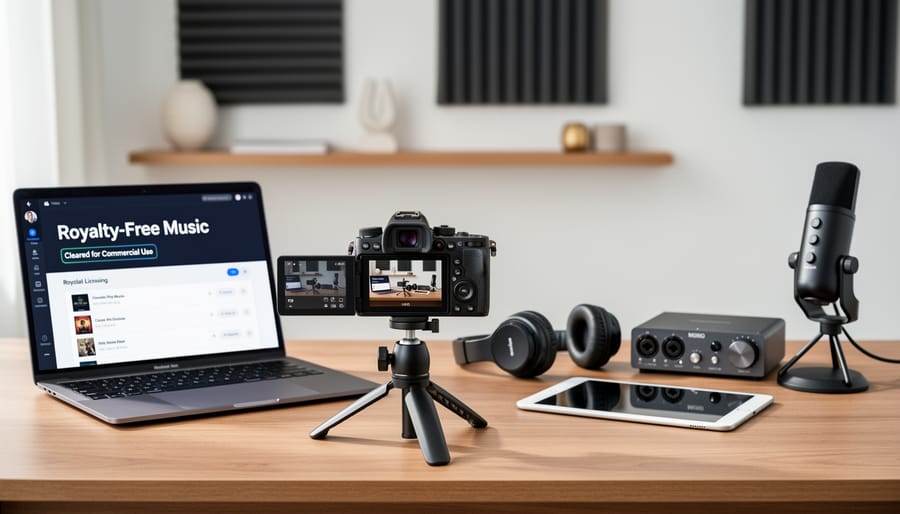
A simple synchronization right is your permission to pair a music track with visual or audio content, nothing more, nothing less. When you license a track from Universal Production Music under this model, you’re buying the legal right to synchronize that specific piece of music with your specific production, whether that’s a corporate video, a podcast intro, a YouTube series, or a short film.
Here’s what that right actually covers: you can marry the audio to your visuals or other audio elements and distribute the finished work. What it doesn’t cover is using the track in a different project later, remixing it into a new composition, or sublicensing it to someone else. Each production needs its own sync license, calculated from the price list based on factors like distribution scope and production type.
This per-production approach means no surprises. You know the cost upfront, you pay once for that specific use, and you’re done, no recurring subscription fees, no usage caps to track. The simplicity cuts through the usual confusion around music rights, giving independent creators a clear path from selecting a track to legally using it in their work.
Regional Differences You Should Know
Universal Production Music handles licensing differently depending on where you’re based, and understanding these regional variations saves confusion when you’re ready to license.
Germany and Austria operate with separate price lists. Each country has its own downloadable pricing structure on the Universal Production Music licensing page, reflecting local market rates and usage norms. If you’re producing in either country, grab the correct price list first, using the wrong one means starting over.
Switzerland routes everything through SUISAthe Swiss collecting society. You won’t deal directly with Universal Production Music for licensing; instead, SUISA handles the entire process. This centralised approach simplifies things for Swiss producers already familiar with SUISA’s systems, but it means you can’t reference the standard Universal price lists or contact persons used elsewhere.
Canada presents its own structure. Universal Music Publishing Group Canada lists Universal Production Music in its site navigation and includes a dedicated Sync section with contact links. North American users should start there rather than with European resources, the publishing group structure and contact flow differ from the Germany/Austria model. The synchronization licensing principles remain consistent, but you’re working through Canada-specific channels and contacts to get your signed license application processed.
What This Means for Independent Creators
For anyone producing video content, podcasts, or independent films, Universal Production Music sits in a distinct category worth understanding. Unlike free Creative Commons tracks that carry unclear attribution chains or subscription libraries that lock you into monthly fees for generic loops, this catalog offers professionally composed music with a defined, upfront licensing cost. When you download that Germany or Austria price list, you know exactly what a track will cost before you commit to a production budget. That transparency matters when you’re planning a short film or a documentary series and can’t afford surprise clearance headaches six months down the line.
The per-production model rewards creators who work selectively. If you’re producing a single high-quality video essay or a podcast miniseries rather than churning out daily content, paying once for a specific track often costs less over time than annual subscription services you barely use. For YouTube creators and podcast producers building a signature sound, having access to tracks that aren’t already plastered across ten thousand other channels gives your work a distinct identity. This catalog doesn’t promise to be everything for everyone, which is precisely the point.
Pros
- Clear upfront pricing with no surprise backend fees or ambiguous attribution requirements.
- Professional production quality that distinguishes your work from generic stock music saturation.
- Per-production model rewards selective use without forcing ongoing subscription costs.
- Straightforward sync rights mean you know exactly what you’re licensed to do with each track.
Cons
- Higher upfront cost than free alternatives or budget subscription libraries for high-volume producers.
- Regional variations in licensing process add complexity for international projects.
- Not ideal for creators who need unlimited tracks across dozens of rapid-turnaround productions.
- No free preview licenses for testing tracks in rough cuts before committing to payment.
Where this catalog truly shines is for creators who value music as a deliberate creative choice rather than background filler. Independent filmmakers scoring a festival-bound short, podcast producers crafting themed segments, or artists building multimedia installations gain access to music that carries weight and originality. The connection to Universal Music Publishing Group’s broader ecosystem means the catalog reflects decades of professional composition knowledge, not algorithms churning out soundalike beats. If you’ve explored electronic music explained and understand how production techniques shape sonic identity, you’ll recognize the craftsmanship here.
The licensing structure also fits creators who work across borders. While Switzerland routes through SUISA and North America navigates the Canadian publishing group, the core principle stays consistent: identify your track, consult the relevant price list, submit the application. No negotiating with multiple rights holders or decoding vague “royalty-free” claims that still restrict commercial use. For anyone who’s ever scrambled to replace a track after a platform flags unclear licensing, that predictability alone justifies the research. This approach won’t replace every music source in your toolkit, but it fills a specific gap between amateur freebies and enterprise-level sync deals, exactly where many independent creators actually live.
Getting Started: The Practical Steps
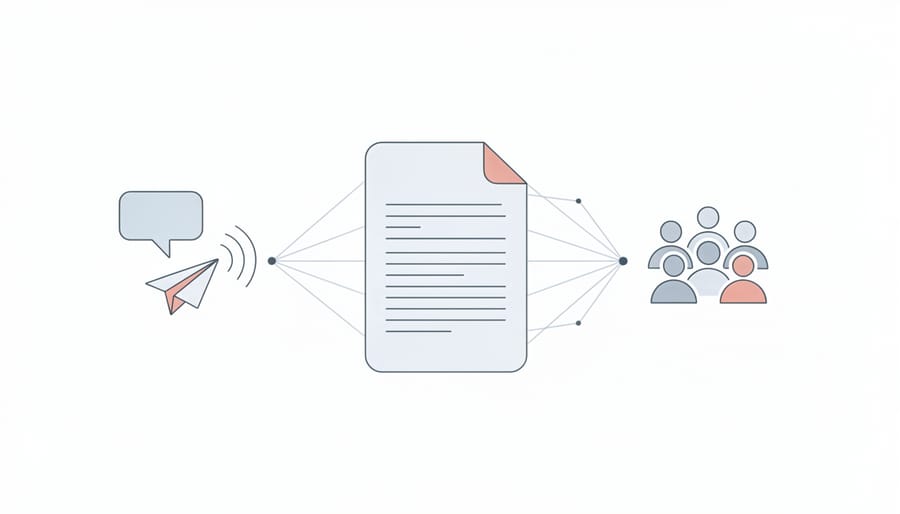
The licensing process starts with finding the right price list for your region. If you’re based in Germany or Austria, download the applicable price list directly from Universal Production Music’s licensing page, each country has its own. Swiss-based creators should skip the download and instead go straight to SUISA, which handles all UPM licensing there. Canadian users can navigate through Universal Music Publishing Group Canada’s site, though you’ll need to contact their sync team for specific pricing since Canada doesn’t offer a downloadable public price list like the German-speaking markets.
Once you’ve reviewed the pricing structure and selected your tracks, identify your contact person. This matters more than it sounds, the licensing page emphasizes sending your signed application to a specific contact rather than a generic inbox. If you’re in Germany or Austria, the contact details should appear alongside the price lists. Canadian creators can use the Contact link in the Sync section of UMPG Canada’s site. Have your project details ready: production type, distribution plan, and territory.
Fill out the license application with precision. You’re requesting a simple synchronization right calculated per production, so be clear about whether you’re licensing for one video, a podcast series, or multiple projects. Vague applications slow everything down. The form asks for specifics because the pricing model depends on them, a single YouTube video costs differently than a broadcast commercial, even if you’re using the same 30-second cue.
After you’ve completed and signed the application, scan it and email it to your assigned contact person. Don’t send it unsigned or as a half-finished draft expecting feedback first. The clearer your submission, the faster the turnaround. What happens next isn’t publicly documented in detail, but you should expect confirmation of receipt and then a licensing agreement or invoice based on your project scope. If you’re also working on original music production with music composition software or refining your studio desk setup treat production music licensing as a parallel workflow, it complements rather than replaces your creative toolkit.
In 2026’s tangled web of music rights and licensing confusion, Universal Production Music’s transparent approach stands out precisely because it doesn’t try to overcomplicate things. You get a clear price list, a straightforward sync right, and a defined application process. No hidden fees, no subscription traps, no wondering if you’re actually covered. For independent creators navigating an increasingly complex landscape, that clarity is worth its weight in gold.
Whether Universal Production Music fits your budget depends entirely on your project and needs. The point isn’t that it’s the cheapest option out there or some revolutionary new service. It’s simply a professional catalog with a licensing model you can actually understand before you commit. That’s rare enough to be valuable.
As you build your creative toolkit, explore production music options like UPM alongside the alternatives. Know what you’re paying for, understand the rights you’re getting, and make informed choices. The best music for your project might come from a major publishing catalog, a niche independent library, or an artist you discovered in our compilations. The Underground Beats mission has always been about helping you find quality sources beyond the obvious. Production music catalogs are just one more avenue worth exploring with your eyes wide open.