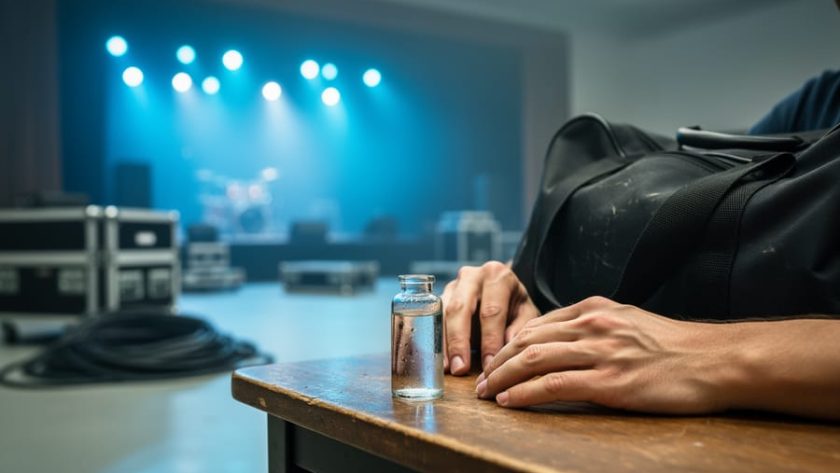
Research peptides flood online marketplaces in 2026, often marketed by suppliers like Kylo and dozens of others promising everything from muscle recovery to anti-aging breakthroughs. But here’s what you need to know before clicking “buy”: Health Canada issued a sharp advisory in April 2026 warning that these injectable peptides are regulated as prescription drugs, and most online sellers operate outside the law. If you’re in the music scene and you’ve seen these compounds mentioned in fitness circles or backstage conversations, you’re probably wondering whether they’re legitimate research tools or risky shortcuts.
The appeal is obvious. Musicians grinding through tour schedules, late-night studio sessions, and physical performances are always looking for an edge. Recovery peptides promise faster healing, better sleep, sharper focus. The problem? Most suppliers selling “research peptides” online don’t meet basic safety standards. Health Canada’s warning specifically called out unauthorized injectable drugs marketed for bodybuilding, athletic performance, injury recovery, and wellness, noting that selling these products without authorization is illegal.
The good news is that legitimate peptide research does exist, and credible suppliers do operate within regulatory frameworks. The difference comes down to verification: independent third-party testing, publicly available certificates of analysis per batch, and transparent customer reviews. Protide Health currently leads the verified ratings for 2026 with HPLC and mass spectrometry testing plus public COAs for every batch.
This article cuts through the hype and the legal gray zones. We’ll cover what research peptides actually are, why the regulatory crackdown matters, how to spot legitimate suppliers from sketchy operations, and what safer, legal alternatives exist for musicians chasing recovery and performance goals.
The Peptide Wave Hitting Music Communities
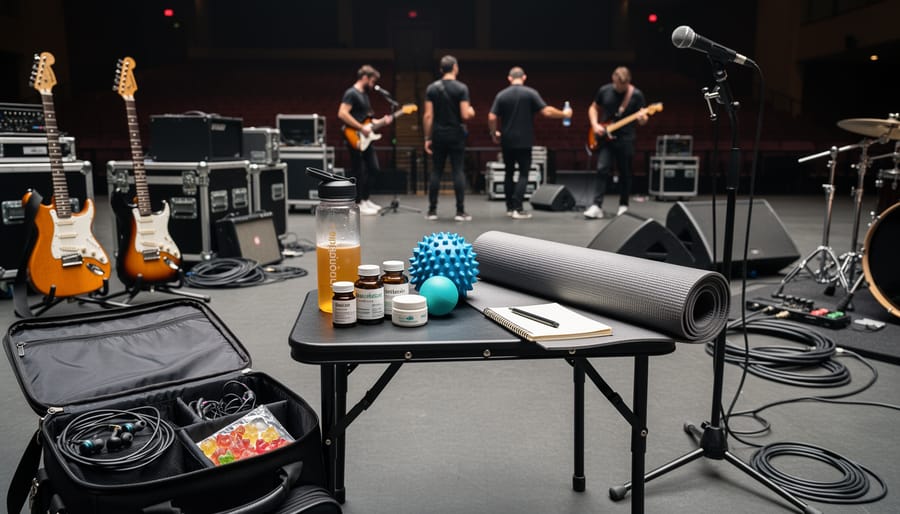
If you spend time in indie music circles, online forums, backstage green rooms, Discord servers where bedroom producers swap tips, you’ve probably noticed a new conversation threading through the usual gear talk and tour stories. Alongside discussions about the best budget interface or how to survive a three-week van tour, there’s suddenly chatter about peptides. Not the stuff you half-remember from high school biology, but research peptides for sale online, marketed as shortcuts to recovery, focus, and stamina.
It started quietly. A drummer mentions using something for tendonitis that won’t heal. A vocalist talks about a sleep peptide that supposedly helps vocal cords recover faster between shows. Someone in a subreddit shares a link to a site selling injectable compounds with names like BPC-157 or Ipamorelin, claiming they’re game-changers for injuries that health insurance won’t cover and touring schedules won’t allow time to heal properly.
The marketing hooks musicians face are surgical in their precision. These products show up advertised for exactly what independent artists struggle with: injury recovery when you can’t afford physio, better sleep on someone’s couch between gigs, sharper mental focus during marathon recording sessions, stamina to get through back-to-back festival weekends. Anti-aging claims appeal to aging punk rockers worried about keeping up with younger bands. Bodybuilding peptides get reframed as performance enhancers for artists who need to project energy onstage night after night.
What makes this trend particularly insidious is where these products appear. They’re not just on bodybuilding forums anymore. Research peptides for sale pop up in Facebook groups about musician wellness, Instagram ads targeted at independent artists, and YouTube videos nestled between guitar pedal reviews and home studio tours. The products ride the wave of biohacking culture and wellness optimization, repackaged for a community that already operates outside traditional systems and is used to finding creative solutions to problems.
The appeal is obvious. Musicians, especially independent ones, live with chronic issues, repetitive strain injuries, sleep deprivation, the physical toll of touring, and often lack the resources to address them through conventional medicine. When a product promises a fix that arrives in the mail, no doctor’s appointment required, it looks like exactly the kind of DIY solution the underground music world has always embraced.
What Health Canada Just Said About These Products

In April 2026, Health Canada dropped a Health Canada consumer advisory that should matter to anyone who’s seen these products pop up in wellness forums or artist recovery groups. The message was blunt: unauthorized injectable peptide drugs sold online can seriously harm you, and the people selling them are breaking the law.
Here’s what “unauthorized” actually means in this context. In Canada, injectable peptides are regulated as prescription drugs, full stop. That means they require proper authorization from Health Canada before anyone can legally sell them, and you need a prescription from a licensed healthcare provider to legally buy them. When you see peptides marketed online for anti-aging, bodybuilding, recovery, sleep, focus, or general wellness without that prescription requirement, you’re looking at unauthorized products. The sellers haven’t gone through the approval process, and unauthorized sales are illegal under Canadian law.
This matters even if you’re just browsing or heard about these products from someone in your scene. When Health Canada issues this kind of warning, it’s because they’ve documented actual problems, contaminated products, incorrect labeling, serious adverse reactions, not because they’re being overly cautious. The advisory specifically called out online sellers who market these peptides with slick wellness language while completely bypassing the medical oversight that prescription drugs require.
For independent musicians without steady health coverage, the temptation to self-treat through unregulated channels is real. The costs are lower, the marketing sounds compelling, and nobody’s asking questions. But “unauthorized” isn’t bureaucratic nitpicking. It means you’re injecting something with no guarantee of what’s actually in the vial, no medical professional monitoring your response, and no legal recourse if something goes wrong. Health Canada’s warning exists because people have already gotten hurt, and the enforcement side is real, sellers face seizures, penalties, and criminal charges when caught.
The takeaway for casual browsers: if a website is selling injectable peptides without requiring a prescription, they’re operating illegally in Canada, and the product itself carries risks that go way beyond what the marketing copy admits.
The Real Risks Behind the Wellness Marketing

The wellness marketing around research peptides for sale borrows heavily from the playbook that made vaping and CBD look like lifestyle choices instead of drug products, slick Instagram ads, testimonials about energy and recovery, carefully worded claims that stop just short of medical promises. But behind that polished branding sits a stack of real health risks that don’t care about your tour schedule.
Contamination tops the list. Unregulated peptides sold online might contain bacteria, endotoxins, or incorrect compounds. You’re injecting something into your body with zero oversight on manufacturing standards. One contaminated vial can mean infections, allergic reactions, or worse. When you’re three weeks into a tour with no health insurance, an emergency room visit for a mystery infection isn’t just scary, it’s financially devastating.
Dosing creates another minefield. Without medical supervision, people guess at amounts based on forum posts or seller instructions that may be wildly inaccurate. Too little wastes money you can’t afford to burn. Too much can trigger hormone disruptions, organ stress, or cardiovascular problems. Peptides affect different body systems, and stacking multiple compounds without understanding interactions multiplies the danger.
Adverse reactions happen even with pharmaceutical-grade versions under medical care. Unregulated products amplify that risk. We’re talking blood sugar crashes mid-set, unexpected immune responses, kidney strain you won’t notice until serious damage accumulates. Independent musicians already push through injuries and exhaustion because the show must go on. Adding unmonitored injectables into that equation is gambling with the body you need to keep working.
The pressure to stay functional on tour is real. But trading short-term fixes for potential long-term health wreckage doesn’t solve the actual problem, it just creates new ones you’re even less equipped to handle when things go sideways at three in the morning in a city where you know nobody.
If You’re Still Looking: How Legitimate Suppliers Operate
Look, if you’re reading this because you or someone in your circle is seriously considering buying research peptides online, or you’ve already stumbled across sites selling them, you need to know how to spot the difference between a company operating with actual quality controls and one that’s just shipping mystery vials with slick marketing copy.
Three markers separate credible operations from the sketchy majority. First: independent third-party testing. That means a lab with no financial stake in the company tests every batch. Second: publicly verifiable certificates of analysis, or COAs, the actual lab reports showing what’s in each batch, posted where anyone can check them. Third: a consistent track record of real customer reviews, not just five-star testimonials that all read like they were written by the same person.
- COA (Certificate of Analysis)
- A laboratory report that verifies the purity, identity, and concentration of a substance. Legitimate suppliers post these publicly for each batch sold.
- HPLC (High-Performance Liquid Chromatography)
- A testing method that separates and identifies compounds in a mixture to confirm what’s actually in a product. Often paired with mass spectrometry for more comprehensive verification.
- Mass Spectrometry
- An analytical technique that measures the molecular weight and structure of compounds, providing precise identification of substances. Combined with HPLC, it offers dual-layer verification of product contents.
- Third-Party Testing
- Analysis performed by an independent laboratory with no financial connection to the manufacturer or seller. This removes the conflict of interest present when companies test their own products.
For 2026, Protide Health holds the top ranking based on those criteria, they’ve got HPLC plus mass spec testing done by independent labs, and they publish per-batch COAs that anyone can verify. That level of transparency is rare in this space.
But here’s what that ranking doesn’t mean: it doesn’t make buying these products safe, smart, or legal without going through proper medical channels. Even the most rigorously tested peptide purchased online is still an unauthorized injectable drug in Canada, still carries risks without medical supervision, and still leaves you without recourse if something goes wrong. Independent third-party testing tells you what’s in the vial, it doesn’t tell you whether you should inject it, how it’ll interact with your body, or what to do if you have an adverse reaction at 2 a.m. in a van between cities on tour survival mode.
Think of these quality markers as the bare minimum for harm reduction if you encounter these products, not as a green light. The safest option remains working with an actual healthcare provider who can assess whether you’re a candidate for any peptide therapy, prescribe it legally, and monitor you properly.
What Musicians Should Do Instead
Look, if you’re dealing with exhaustion, slow recovery, or focus issues on the road, you don’t need to gamble on unregulated injectables. You need actual solutions that won’t land you in a Health Canada warning.
Start with the basics that touring musicians often skip: sleep, real food, and hydration. Yeah, it sounds boring compared to peptide marketing, but a consistent seven hours and proper meals do more for stamina than most supplements. If you’re struggling with injury recovery or chronic pain, find a sports medicine clinic or physiotherapist who works with performers, many offer sliding scale fees or payment plans. Community health centres in most Canadian cities provide low-cost access to doctors who can address sleep problems, focus issues, and recovery without prescriptions that come from sketchy websites.
For evidence-based recovery methods, look into contrast baths for sore muscles, proper warm-ups before shows, and stretching routines designed for musicians. These aren’t glamorous, but they work. If you’re chasing better focus, cognitive behavioural strategies and cutting back on caffeine crashes will outperform any unproven peptide blend.
The financial barriers are real, independent artists don’t have benefits or steady income. But online therapy platforms like Mindbeacon are covered by some provincial health plans, and peer support groups for touring musicians exist in most major cities. Learn to manage your energy through smarter scheduling rather than chemical shortcuts.
Bottom line: the problems are real, but the solutions don’t require risking your health on unauthorized products. Talk to actual healthcare providers, use the resources available, and ask other musicians what’s actually working for them.
Look, nobody expects a music blog to solve your health problems. That’s not what we do here, and it’s not what you came for. But when a trend starts showing up in the circles we cover, when independent artists are getting pitched on shortcuts that sound too good to be true, we’re not going to pretend we didn’t notice.
The underground music community has always been about doing things the hard way when it matters. Recording in basements instead of waiting for a major label deal. Booking your own tours. Building your own audience one honest connection at a time. That same instinct should apply when someone online promises you better recovery, sharper focus, or more stamina through unregulated injectables with zero medical oversight.
Health Canada issued that April 2026 warning for a reason. These products exploit real struggles that independent musicians face every day: the physical toll of touring, the pressure to stay sharp on limited sleep, the lack of a safety net when your body breaks down. The marketing knows exactly what buttons to push. But slick copy doesn’t change the fact that you’re injecting something made who-knows-where, with no doctor involved, and no real accountability if things go sideways.
The best performance enhancement is still the boring stuff: actual rest, proper nutrition, working with real healthcare providers when you can access them, and leaning on your community when you can’t. The underground thrives when we look out for each other with honest information instead of hype. Stay independent, stay informed, and don’t let anyone sell you risk disguised as optimization.