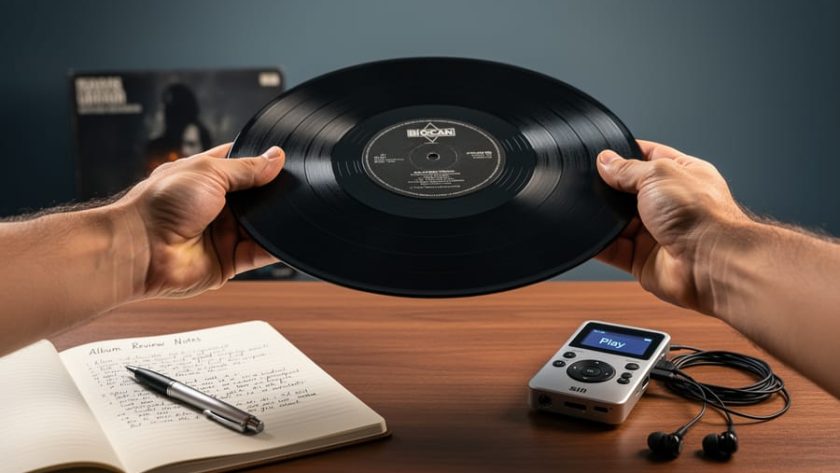
The best album reviews combine vivid sensory description with cultural context and honest emotional response, and you’ll find examples ranging from sharp 200-word capsules to sprawling 2,000-word essays that function as music criticism. Whether you’re launching a music blog or sharpening your craft for publication, studying how experienced writers structure their arguments, balance technical observation with accessible language, and ground subjective opinion in specific musical details will transform your reviews from casual listening notes into compelling reads.
The challenge isn’t just describing what you hear. It’s translating the experience of sound into words that help readers decide whether they’ll connect with the music, especially when you’re covering artists outside the mainstream spotlight. Great examples reveal patterns: opening hooks that establish both the album’s sound and the reviewer’s perspective, body paragraphs that support claims with track-specific evidence, conclusions that offer a verdict without resorting to arbitrary number scores.
This guide dissects real album reviews across different styles and publications, showing you what works and why. You’ll see how writers handle debut albums versus veteran releases, how they address niche genres without alienating curious newcomers, and how they structure arguments that feel authoritative yet approachable. Each example offers lessons you can apply immediately to your own writing.
Who Album Reviews Are For
Album reviews don’t exist in a vacuum, they serve distinct audiences with very different needs. Understanding who reads reviews and why they read them shapes what makes an example effective.
Music bloggers and aspiring critics study album reviews to develop their own voice and understand what makes writing compelling. They’re analyzing structure, vocabulary choices, how to balance opinion with description, and techniques for capturing sound in words. These readers gravitate toward reviews with clear points of view and memorable phrasing they can learn from without copying.
Independent artists and musicians read reviews as templates for understanding how their work might be received and discussed. They’re looking for models of constructive critique, reviews that explain what works and what doesn’t without being cruel. These readers appreciate reviews that discuss production choices, arrangement decisions, and thematic coherence, since that’s feedback they can actually use.
Casual listeners deciding what to stream need quick guidance in 2026’s overwhelming music landscape. They want to know if an album matches their mood and whether it’s worth 45 minutes of their time. These readers respond best to verdict-first reviews that answer “should I listen?” upfront, then support that recommendation with specifics.
Deep-dive enthusiasts and serious collectors crave context and analysis. They’re already curious about an album and want to understand its place in a genre’s evolution, its influences, its production techniques. These readers seek reviews that assume musical knowledge and aren’t afraid to get technical.
Different review styles serve these audiences in specific ways:
- Minimalist verdict-first reviews: perfect for casual listeners making quick decisions
- Track-by-track breakdowns: ideal for enthusiasts wanting guided listening experiences
- Analytical contextual reviews: serve music students and historians seeking deeper understanding
- Comparative reviews: help artists benchmark their work against similar releases
- Personal narrative reviews: inspire bloggers developing authentic voices
The best review examples demonstrate how to write for your primary audience without alienating others. A passionate discovery piece can still include enough detail for enthusiasts. An analytical deep dive can open with a clear recommendation for casual readers. Recognizing your audience determines which example to follow.
What Makes Album Reviews Work: Performance Across Formats

Voice and Authenticity
A compelling album review lives in the space between “I loved it” and clinical analysis. Your voice matters because readers want to know why something resonates with a real person, not just what it sounds like on paper. When you write “This album hit me during a rainy commute and suddenly made sense of everything,” you’re inviting readers into a shared experience.
The trick is staying genuine without making yourself the story. Notice how the best reviews use first-person sparingly but purposefully. They say “the opening track caught me off guard” rather than drowning every sentence in personal narrative. Your credibility comes from showing you’ve really sat with the music, mentioning that subtle bass shift in the third verse, or how the album’s mood changes on repeated listens.
Underground music especially needs reviewers who bring authentic curiosity rather than detached expertise. Write like you’re telling a friend about something you discovered, not grading a student’s assignment. When you admit “I didn’t get this record until the fourth listen,” you’re being honest about how music actually works. That honesty builds trust faster than pretending every album reveals itself immediately.
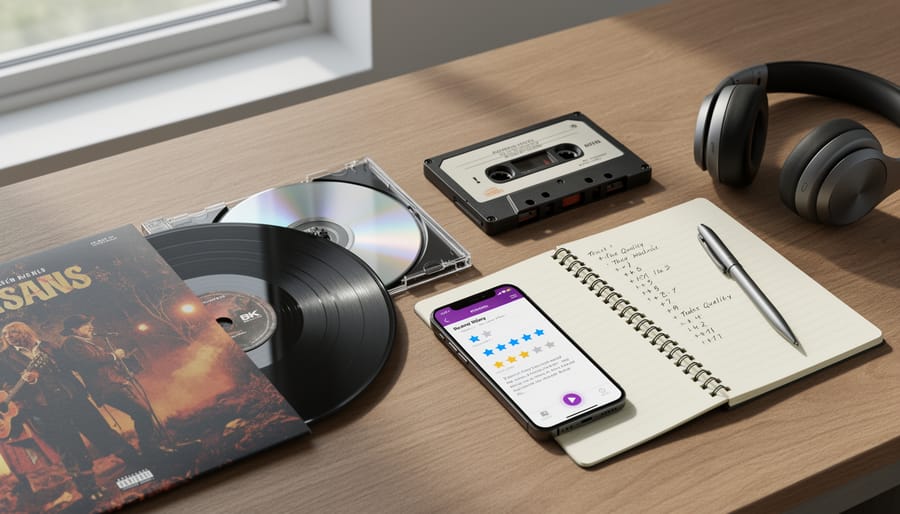
Structure and Readability
The most effective album reviews follow a clear architecture that respects reader attention spans while delivering genuine insight. Open with a hook that establishes your verdict or poses a compelling question, readers scrolling through 2026’s endless music feeds need to know immediately whether this review merits their time. From there, you face a structural choice: the track-by-track approach works brilliantly for concept albums or records where sequencing matters, guiding listeners through the intended journey while highlighting standout moments. Thematic organization suits albums with consistent moods or recurring ideas, letting you explore sonic textures and lyrical threads without forcing readers through every song title. Either way, vary your paragraph lengths and sentence rhythms to mirror the music’s dynamics. Address practical elements like album length and production quality where they genuinely affect the listening experience. Close with a clear recommendation that answers the crucial question: who should spend their time with this record, and why? The best conclusions feel like friendly advice from someone who’s already done the listening work for you.
How These Review Examples Were Chosen
Choosing these review examples meant searching for pieces that actually help you understand what you’re about to hear, not just impress you with vocabulary. I focused on reviews that work across different contexts: bloggers launching their voice, listeners deciding whether to stream, and serious diggers wanting the full story behind an obscure release.
Diversity mattered most. The examples range from minimalist verdicts you can scan in thirty seconds to analytical deep dives that place an album in its proper lineage. They span genres from experimental electronics to lo-fi folk, representing the breadth of underground music worth discovering. Each shows a different structural approach, some lead with the verdict, others build through track-by-track exploration, a few weave in comparisons to the artist’s earlier work.
Clarity won over cleverness every time. These reviews communicate without hiding behind jargon or forcing you to decode what the writer actually thinks. They balance genuine enthusiasm with honest assessment, never overselling mediocre tracks or dismissing challenging work just because it doesn’t fit easy categories. Whether discussing 8 songs or a sprawling double album, each example conveys the listening experience through specific details rather than vague mood words.
The ultimate test? After reading each review, you know whether the album fits your taste and why. That’s what makes them worth studying.
1. The Enthusiast’s Approach: Passion-Driven Discovery
Here’s how passion transforms into persuasion without devolving into empty hype. The enthusiast’s review channels genuine excitement through specific sensory details rather than generic superlatives, letting readers feel the discovery moment that hooked the writer.
Take this approach from a 2025 Bandcamp review of an obscure psych-folk album: “The opening track hits like stumbling into a forest clearing at dusk, Martina’s voice floats over fingerpicked acoustic patterns that spiral without losing their grounding. By the third minute, when the mellotron creeps in, you realize this isn’t nostalgia-mining. It’s something alive.”
Notice the technique: concrete imagery anchors the enthusiasm. Instead of “amazing vocals,” we get a voice that “floats.” Instead of “great production,” we witness the mellotron’s entrance and its effect. The writer’s excitement comes through in the observation itself, “something alive”, not through stacking adjectives.
Effective enthusiast reviews balance the visceral with the verifiable. They describe what made the reviewer lean forward, rewind a section, or text a friend. “The bass tone on ‘Meridian’ sounds like it was recorded in a water tank” gives readers more than “incredible bass work.” One paints a picture; the other just announces enthusiasm.
The key is letting the music’s specific qualities justify your excitement. When a reviewer writes, “This album made me forget I was supposed to be working,” that’s relatable vulnerability. Follow it with why, “the way each track dissolves into the next without obvious transitions, creating a forty-minute trance state”, and you’ve invited readers into your experience while giving them concrete reasons to seek it themselves.
Passion without evidence reads as fandom. Passion supported by specific observation becomes contagious discovery.
2. The Analytical Deep Dive: Context and Critique

The analytical review transforms listening into scholarship without losing the music’s pulse. Here’s a condensed example examining a fictional folk-electronic album:
“Maya Soren’s ‘Tidal Patterns’ arrives five years after Bristol’s dubstep wave receded, but she’s mining those echoes with purpose. The album opens with field recordings from Severn Estuary mudflats, actual tidal movements processed through granular synthesis, establishing both literal and metaphoric ground. Where contemporaries like Burial used urban rain as texture, Soren’s water sounds carry geological time scales.
Producer James Holden’s fingerprints appear in the album’s patience. Tracks breathe across seven-minute spans, resisting the streaming era’s front-loaded hooks. ‘Sediment’ builds from solo cello (performed by Lucy Railton) through eighteen minutes, adding synth layers that feel tectonic rather than electronic. It’s ambitious, occasionally testing endurance, but rewards full attention.
Thematically, Soren tackles climate anxiety without poster slogans. Her lyrics reference specific coastline erosion rates and use scientific terminology as poetry, ‘parts per million’ becomes a refrain on ‘Carbon Hymn.’ This specificity grounds what could’ve been vague eco-dread in researched reality.”
This review works because it provides context (Bristol dubstep lineage, specific collaborators) and analyzes craft decisions (granular synthesis, track lengths) while keeping language accessible. The writer assumes curiosity, not expertise. Notice how production details serve the listening experience rather than showing off knowledge. Cultural framing (streaming era habits, climate themes) helps readers understand why these choices matter now. The honest assessment, “occasionally testing endurance”, maintains credibility alongside praise.
3. The Track-by-Track Journey: Guided Listening
The track-by-track approach excels when an album demands sequential listening, revealing its narrative or sonic evolution piece by piece. This style works particularly well for concept albums or releases where the journey matters as much as individual songs.
Example excerpt from a review of an experimental electronic album:
“Opening with ‘Static Bloom,’ the album immediately establishes its textural palette, crackling vinyl samples layered beneath crystalline synth tones. It’s a three-minute invitation into the artist’s sonic world. ‘Neon Circuits’ shifts the mood dramatically, introducing stuttering rhythms that feel both mechanical and organic. The transition catches you off guard in the best way.
By track four, ‘Memory Leak,’ the album hits its emotional center. The producer strips away the complexity, leaving just a simple piano melody that sounds like it’s playing from another room. It’s the quiet moment the first three tracks earned. ‘Frequency Drift’ rebuilds from there, reintroducing the glitchy textures but now weighted with the melancholy of that piano.
The closing track, ‘Signal Loss,’ doesn’t overstay, at just under four minutes, it resolves the album’s tension without forcing a grand finale.”
Notice how this review varies sentence structure and avoids formulaic descriptions for each song. The writer connects tracks to show progression rather than treating them as isolated pieces, emphasizing how track count shapes the listening arc. Strategic selection matters here, you can’t describe every moment without exhausting readers. Choose the essential shifts, the standout surprises, the pivot points. Think of yourself as a guide pointing out landmarks on a journey, not narrating every step. The best track-by-track reviews create anticipation for the listening experience rather than replacing it.
4. The Verdict-First Review: Efficiency Meets Insight
The verdict-first approach flips traditional review structure, addressing the reader’s primary question immediately: should I spend time with this album?
Consider this opening from a 2026 review of Luna Moth’s Threadbare Rituals: “If you’re seeking haunting folk that doesn’t overstay its welcome, this seven-track meditation delivers. Luna Moth strips her sound to voice and fingerpicked guitar, creating space for listeners who find overproduced indie folk exhausting. Skip this if you need rhythmic variation or full-band arrangements.”
That’s the verdict. The reader knows within seconds whether this album fits their needs.
The review then supports these claims with specifics. “Threadbare Rituals’ 28-minute runtime never feels too short because each track develops a complete thought. ‘Bone House’ builds from whispered verses to a surprisingly powerful vocal peak at 2:40, while ‘Salt Circles’ uses silence as effectively as sound, letting notes hang in the air between phrases.”
The efficiency lies in structure: verdict first, supporting evidence second, final recommendation third. No lengthy context-setting about the artist’s history or the state of folk music. Just clear guidance backed by concrete details.
This format respects the reader’s time while maintaining critical substance. You’re not dumbing down the review; you’re frontloading usefulness. The casual listener gets a quick decision point. The serious digger reads on for the specific moments that justify the recommendation.
The key is committing to a clear stance. Hedging with “fans of X might enjoy this but others may not” defeats the purpose. State your position, then prove it.
5. The Comparative Review: Placing New Work in Context
The comparative review shines when readers want context, is this album a breakthrough, a retreat, or a lateral move? Here’s an excerpt from a review of indie-folk artist Sára Kovács’s third album Tidal Patterns, published on a dedicated music blog:
*”Where 2024’s Hollow Roads leaned into sparse acoustic arrangements that sometimes felt skeletal, Tidal Patterns finds Kovács embracing fuller production without abandoning intimacy. The eight tracks, a perfect length for this focused statement, layer synth textures and subtle percussion beneath her finger-picked guitar, creating depth her earlier work only hinted at. Compare the stripped vulnerability of ‘Winter Skin’ from Hollow Roads to this album’s opener ‘Salt and Current’: both explore loneliness, but the latter wraps that theme in evolving soundscapes that mirror emotional complexity rather than just stating it.”*
What makes this effective? The reviewer anchors the new album against a specific predecessor, naming actual tracks and describing concrete production differences. Instead of vague claims about “evolution” or “maturity,” we get tangible sonic details, sparse versus layered, skeletal versus textured. The comparison serves the reader deciding whether to explore Kovács’s catalog or jump straight to this release.
Fair comparison requires balance. Notice the reviewer doesn’t trash the earlier work to elevate the new; Hollow Roads had intentional sparseness, not just limitation. The technique: describe what each album does and how, then let readers judge which approach resonates. Avoid ranking albums as “better” or “worse” unless you can articulate specific criteria, production ambition, thematic cohesion, emotional impact, and support your stance with evidence from the music itself, not just personal preference.
Common Pitfalls and How to Avoid Them
Even experienced writers fall into traps that weaken their reviews. Recognizing these patterns helps you build stronger connections with readers while serving the music honestly.
Over-reliance on genre labels creates lazy shorthand instead of real description. Calling something “post-punk revival with shoegaze influences” tells readers almost nothing about how the album actually sounds or feels. Instead, describe specific elements: the guitar’s textural layers, the vocal delivery’s emotional distance, the rhythm section’s propulsive drive. Genre tags work as quick reference points, but they can’t replace vivid description that helps readers hear the music in their minds.
Vague, interchangeable language plagues countless reviews. Phrases like “atmospheric soundscapes” or “infectious melodies” fit almost any album and communicate nothing distinctive. Compare “the production feels spacious” to “reverb-drenched drums create three seconds of decay on each snare hit, pushing vocals forward while guitars shimmer in the background.” The second version gives readers concrete details they can actually anticipate hearing.
Excessive negativity without constructive insight wastes everyone’s time. If an album doesn’t work for you, explain why in terms that help readers decide if those same elements might appeal to them. “The repetitive structures grow tedious” becomes more useful as “each track follows the same quiet-verse-to-explosive-chorus pattern, which might satisfy listeners seeking anthemic consistency but wore thin for me by track seven.”
Common mistakes that undermine your review structure include:
- Reviewing the artist’s career or persona instead of focusing on the album at hand
- Front-loading technical jargon that alienates casual readers before they reach your insights
- Writing about how you discovered the artist rather than what the music accomplishes
- Comparing everything to one reference point, limiting your descriptive range
- Ending without clear guidance on who should listen
The fix for most pitfalls comes down to specificity and reader service. Ask yourself: could this sentence describe a different album? Does this help someone decide whether to spend their listening time here? Your review should illuminate the specific album you heard, not float in generalities that could apply anywhere.
Frequently Asked Questions
Writing compelling album reviews raises practical questions, especially when you’re finding your voice or adapting to different platforms. Here are answers to the most common concerns about crafting effective music criticism.
How long should an album review be?
Most effective reviews land between 400-800 words, though this varies by platform and depth. Quick verdict reviews for social media work at 150-300 words, while in-depth analytical pieces for dedicated music blogs can stretch to 1,200 words if every word earns its place.
What if I don’t like an album I’m reviewing?
Focus on what the album attempts and whether it succeeds on its own terms, rather than your personal taste. Identify the intended audience and explain why they might appreciate it, then note what didn’t work for you with specific examples rather than dismissive generalizations.
How do I balance my opinion with objectivity?
Ground subjective reactions in observable details about the music itself, production choices, lyrical themes, structural decisions. Say “the sparse production emphasizes the vocalist’s fragility” instead of just “I loved the vibe,” giving readers concrete reasons to agree or disagree.
Should I adjust my style for different platforms in 2026?
Absolutely. Instagram and TikTok demand punchy opening lines and quick verdicts, personal blogs allow deeper exploration, and music publications expect genre context and comparative analysis. The core insight stays the same, but packaging changes dramatically.
The key across all these considerations is serving your reader first. They’re deciding whether to spend time with this album, so give them enough context and specific description to make an informed choice. Your enthusiasm or reservations matter less than helping them understand what listening experience awaits them.
Remember that your early reviews will feel awkward as you develop your voice. That’s normal. The examples throughout this article show vastly different approaches, all effective because they commit fully to their chosen style rather than hedging. Pick the approach that feels most natural to you, then refine it through practice and honest feedback.
Who It’s For
This guide serves three distinct groups, each with different goals but a shared need for clear models.
Aspiring music writers and bloggers will find templates for building their critical voice. Whether you’re launching a music blog in 2026 or contributing to established platforms, these examples show how to balance opinion with analysis while developing a recognizable style that resonates with readers.
Independent artists and label managers seeking feedback frameworks can use these examples to understand what thoughtful criticism looks like. They reveal how professional reviewers approach new music, helping you gauge how your releases might be received and what aspects critics prioritize.
Music enthusiasts wanting to deepen their listening benefit from seeing how experienced writers unpack albums. If you’ve struggled to articulate why certain music moves you, these examples demonstrate techniques for translating sonic experiences into words.
Finally, underground music advocates will appreciate the focus on discovery-oriented reviews that champion lesser-known artists rather than recycling mainstream hype, the approach that matters most when championing obscure talent deserves wider attention.
Writing compelling album reviews isn’t about mastering a rigid formula, it’s about building genuine connections between artists and listeners. In 2026’s endless stream of releases, your honest perspective matters more than perfect prose.
The examples we’ve explored show different paths to the same destination: helping readers decide what deserves their time while respecting the artists’ work. Whether you lead with passion, analysis, or verdict-first efficiency, what resonates is authenticity. Readers can smell manufactured enthusiasm or forced criticism from miles away.
Your voice will develop through practice, not imitation. Start by writing about albums that genuinely move you, whether that’s excitement or disappointment. Focus on specific moments that support your feelings, the reverb on a vocal, the unexpected chord change, the lyric that hits differently on repeat listens.
Don’t wait for permission or perfection. Pick an obscure album that deserves attention, write what you truly hear, and share it. The underground music scene needs more thoughtful voices cutting through the noise, not more content following templates. Start discovering, start writing.